Guide
Fish species
Which fish is it, where does it live, what do you catch it with? The key species for anglers in Germany and Central Europe, plus the main North American game fish, with sources.
Predatory or coarse fish by the main food of adult fish as given in each profile. Species with a mixed diet appear under All only.
Popular target fish
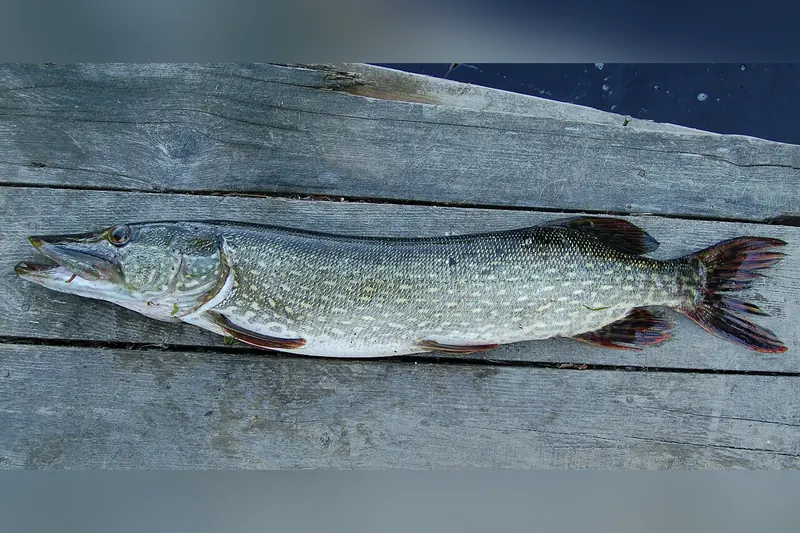
Northern pikeA fast ambush predator with a duck-bill mouth that strikes from cover and is one of the most popular predatory fish.
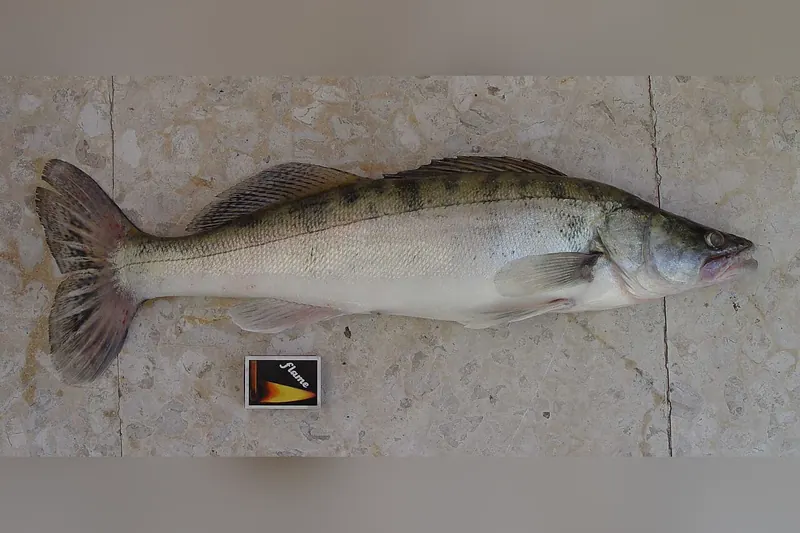
ZanderEurope's largest freshwater member of the perch family: a shy predator with long fangs that sees well in murky water and at night.
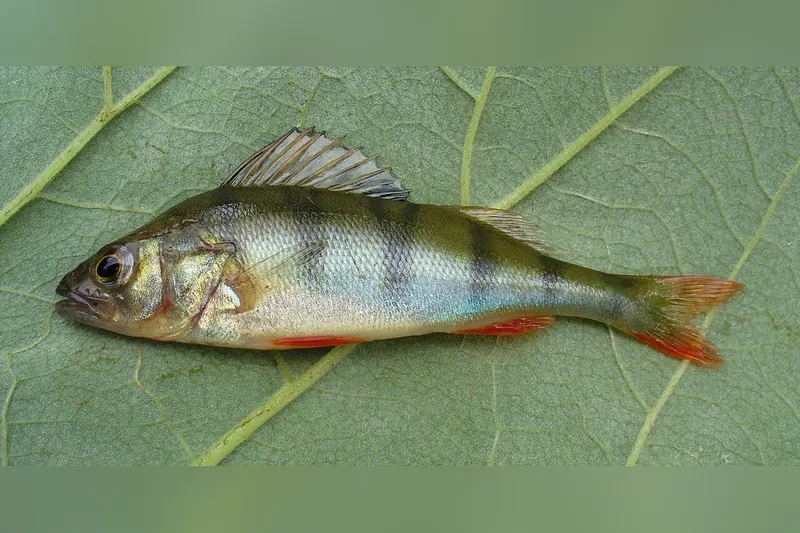
European perchA striped shoaling predator with a spiny dorsal fin, found almost everywhere and an ideal fish for getting started with lure fishing.
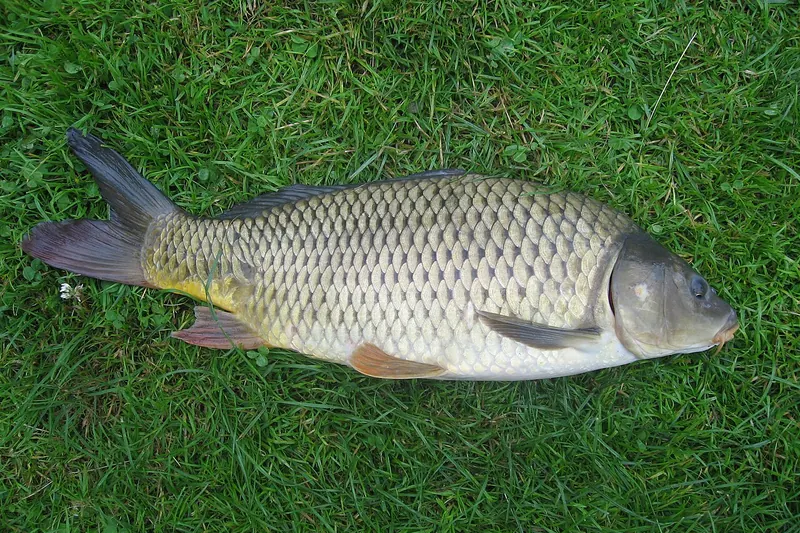
Common carpA powerful peaceful fish with four barbels that roots around on the bottom for food and fights with huge strength.
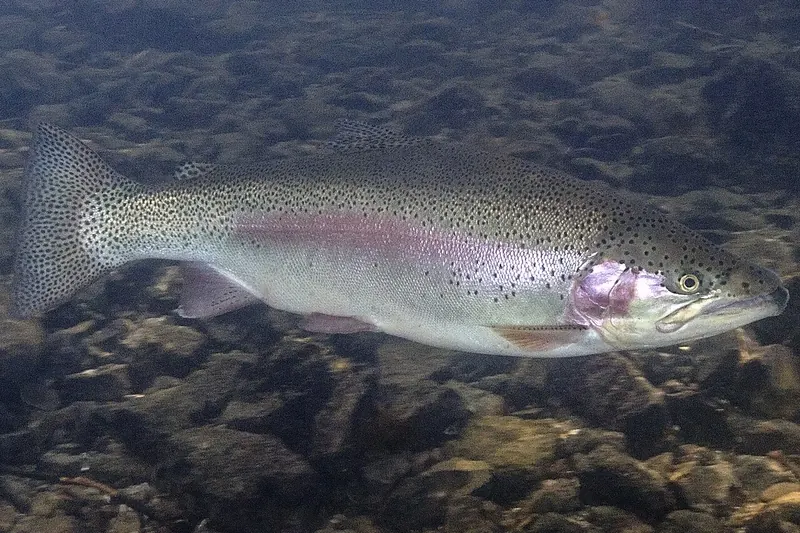
Rainbow troutA fast-growing trout introduced from North America with a reddish band along its side, the most common fish at trout lakes.
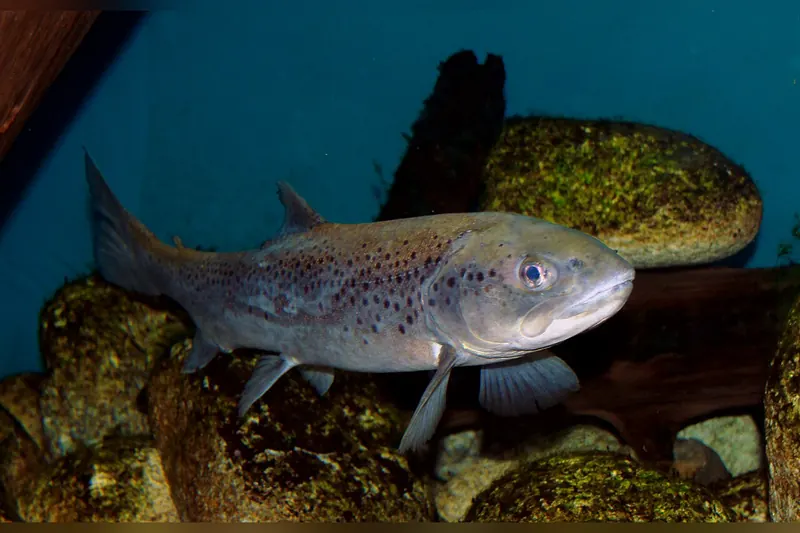
Brown troutA native trout with red spots, the key species of clear, cool streams and a classic for fly fishing.
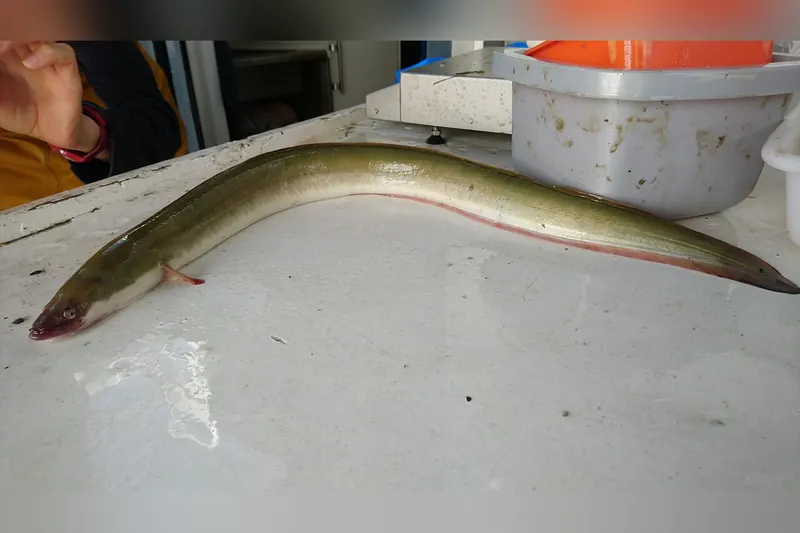
European eelA snake-like migratory fish that swims all the way to the Sargasso Sea to spawn and is now critically endangered.
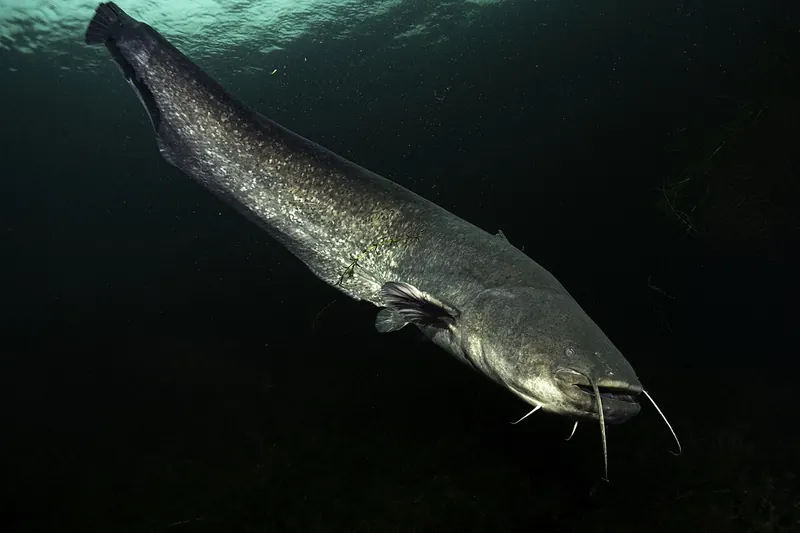
Wels catfishEurope's largest purely freshwater fish: a scaleless night hunter with long barbels and enormous strength on the line.
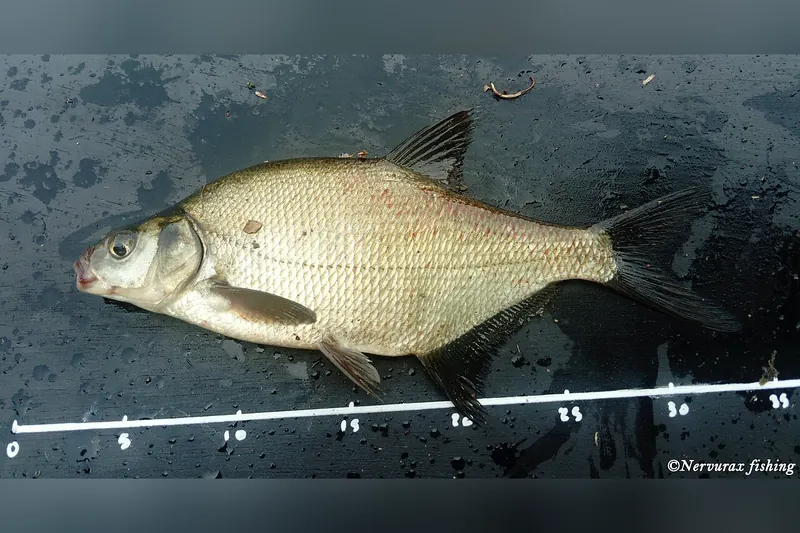
Common breamA deep-bodied peaceful fish, also called Blei in German, that feeds on the bottom in large shoals and is a typical feeder fishing catch.
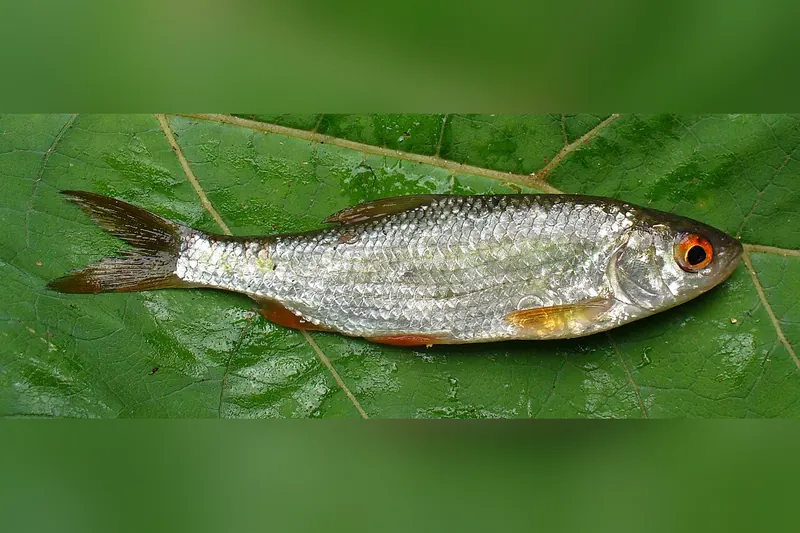
RoachA common shoaling fish with a bright red iris, easy to catch and so the classic fish for beginners.
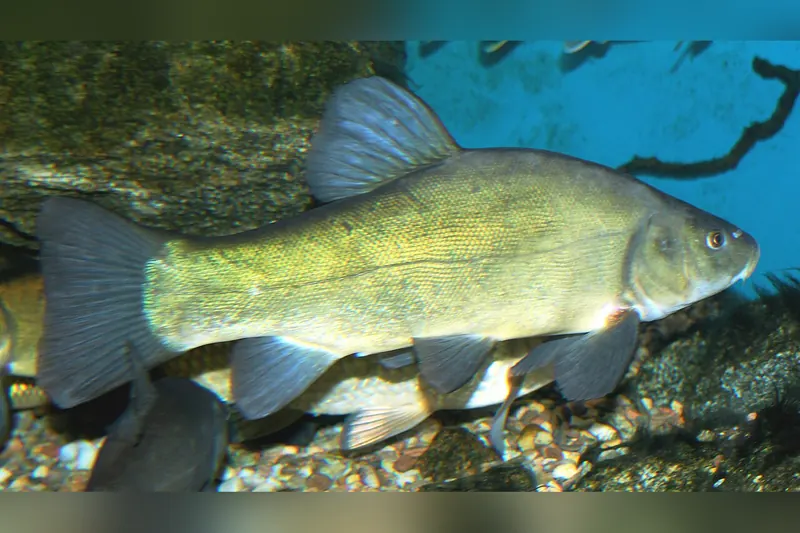
TenchAn olive-green, slimy bottom fish with red eyes that bites cautiously and loves warm, weedy waters.
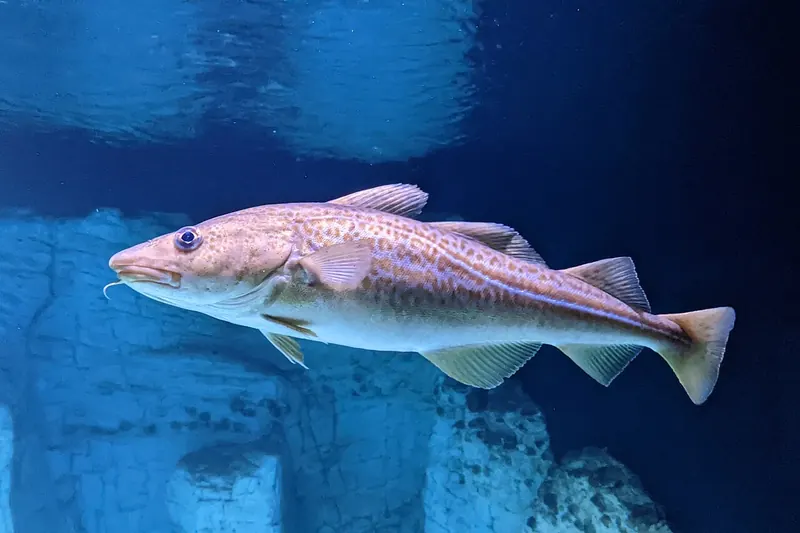
Atlantic codAn important predator of the North Sea and Baltic Sea with a chin barbel; in German it is called Dorsch in the Baltic and usually Kabeljau in the North Sea.
More freshwater fish
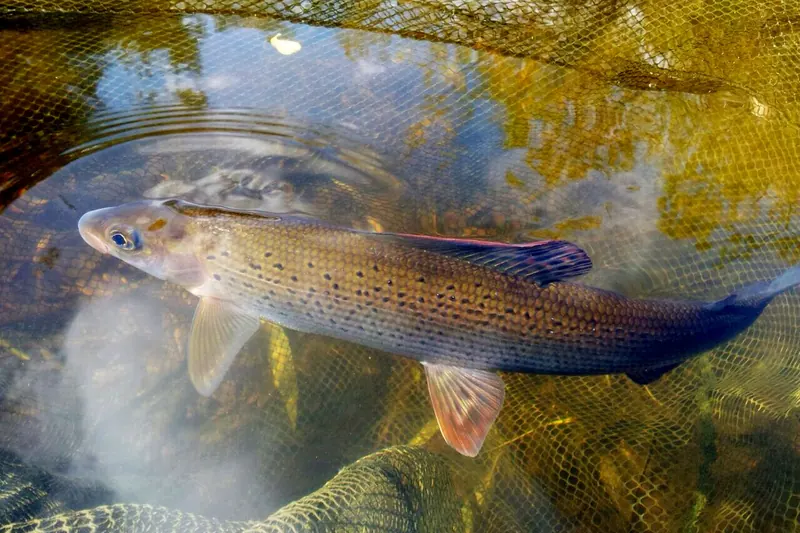
GraylingAn elegant salmonid with a large, colourful dorsal fin (the flag) that needs clear, cool rivers and is a classic for fly fishing.
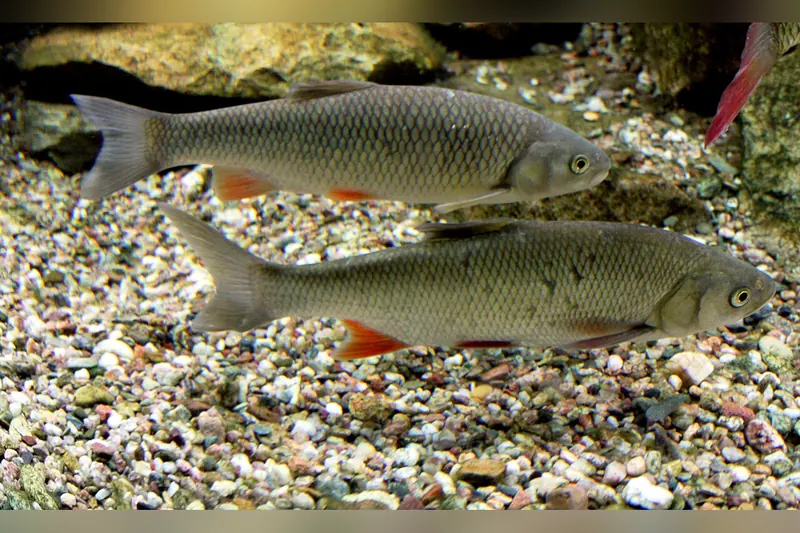
ChubA strong, shy omnivore with a wide mouth that is found almost everywhere in rivers and even bites on cherries.
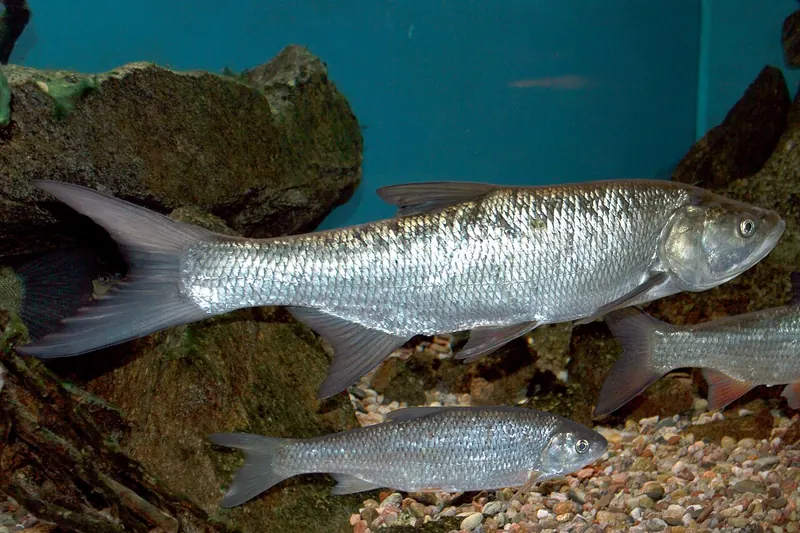
AspA predatory member of the carp family, also called Schied in German, that strikes into shoals of small fish at the surface and loves fast lures.
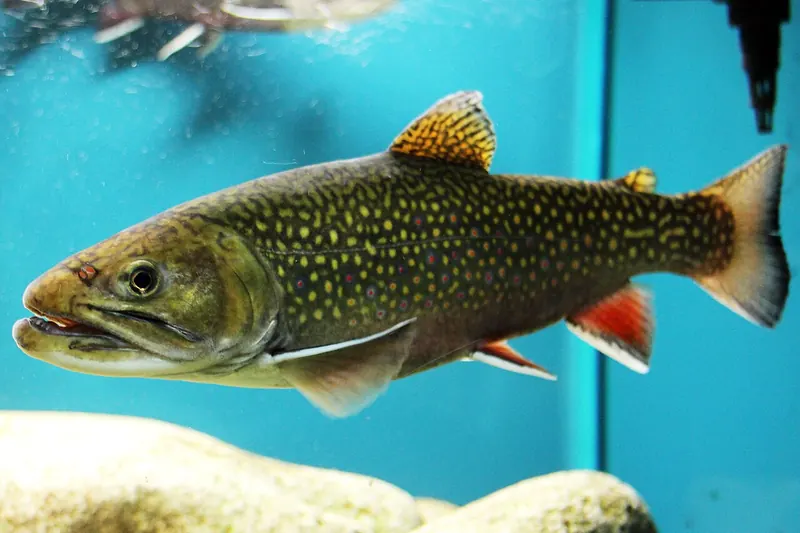
Brook troutA colourful salmonid from North America with white-edged pelvic fins, introduced to Europe in 1884 and popular in fish farms and ponds.
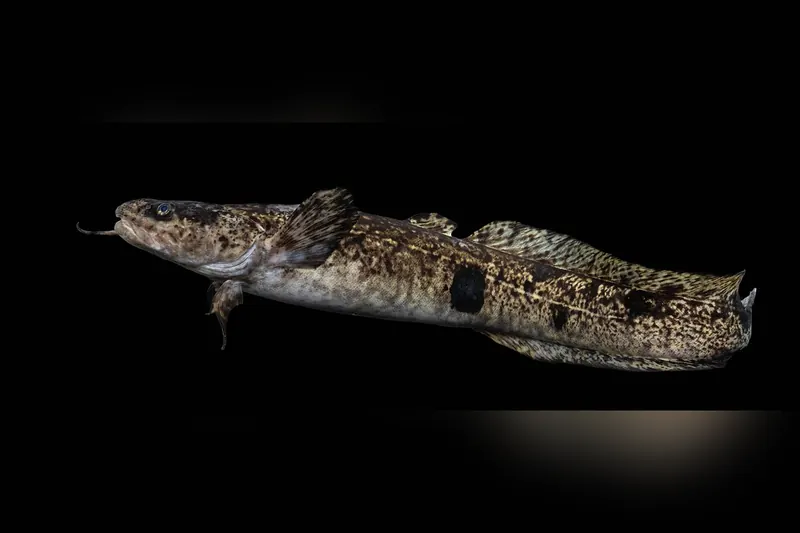
BurbotThe only member of the cod family in fresh water: a nocturnal bottom predator with a chin barbel that is most active in winter.
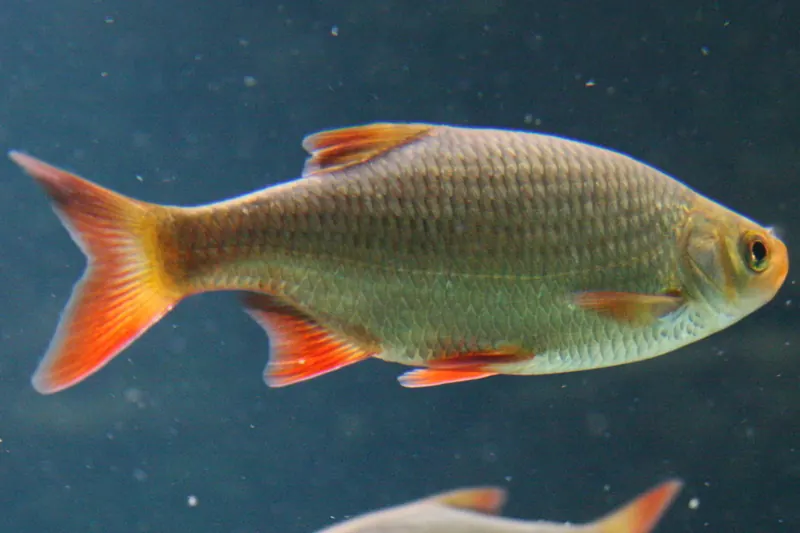
RuddA deep-bodied shoaling fish with bright red fins and golden-yellow eyes that feeds at the surface of weedy still waters in summer.
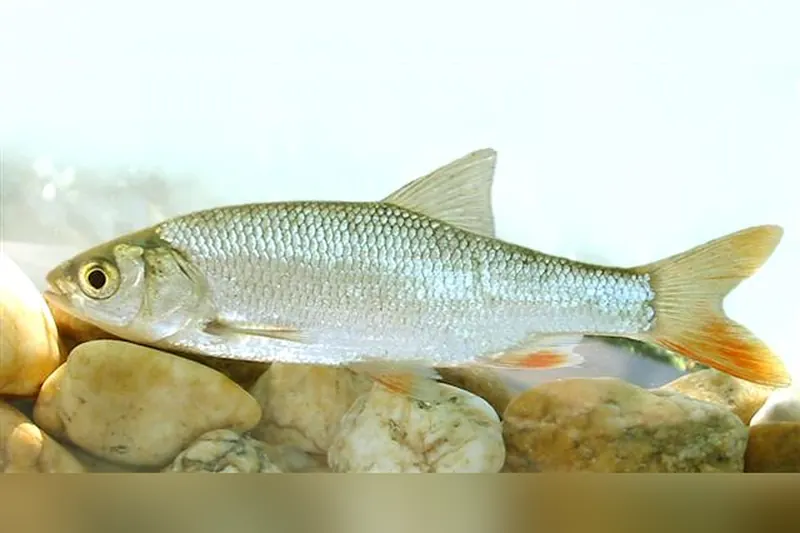
IdeA strong, shy whitefish of the large lowland rivers that also enters the brackish Baltic Sea; large ides feed mainly on fish.
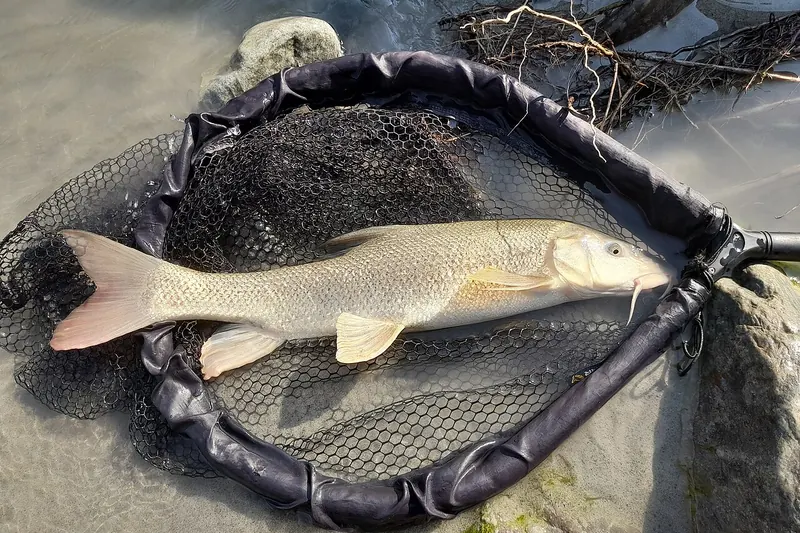
BarbelA powerful bottom fish of flowing water with four barbels, which gives its name to the barbel zone and is prized by anglers for its strength and stamina.
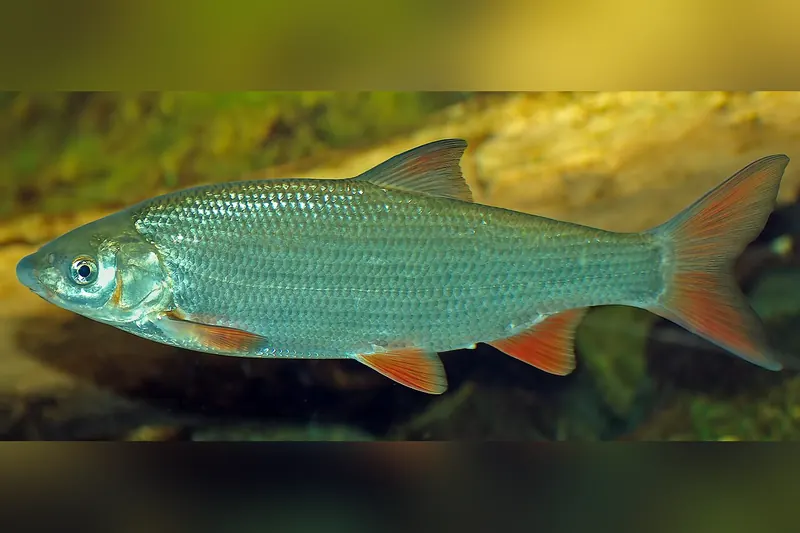
Common naseA shoaling fish of fast-flowing rivers that grazes algae off stones with its sharp, horny lower lip and has become rare in many places.
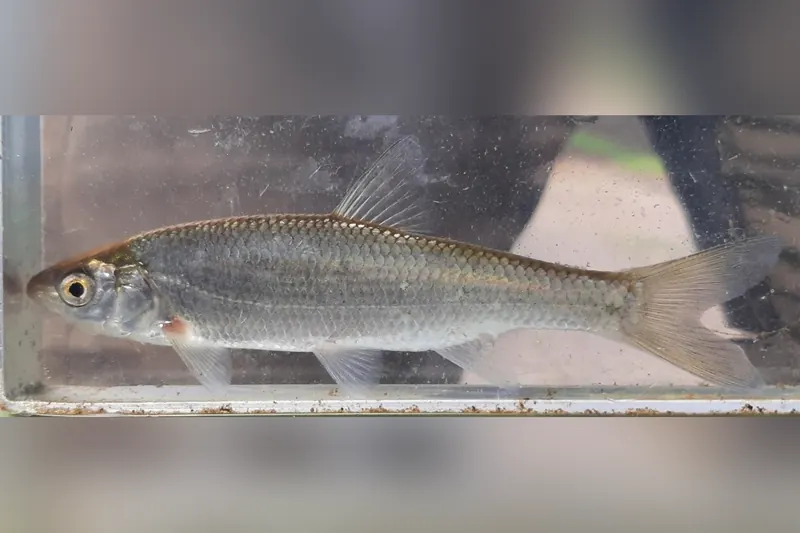
Common daceA small, fast shoaling fish of clear rivers that is easily confused with chub and ide because of its typical whitefish shape.
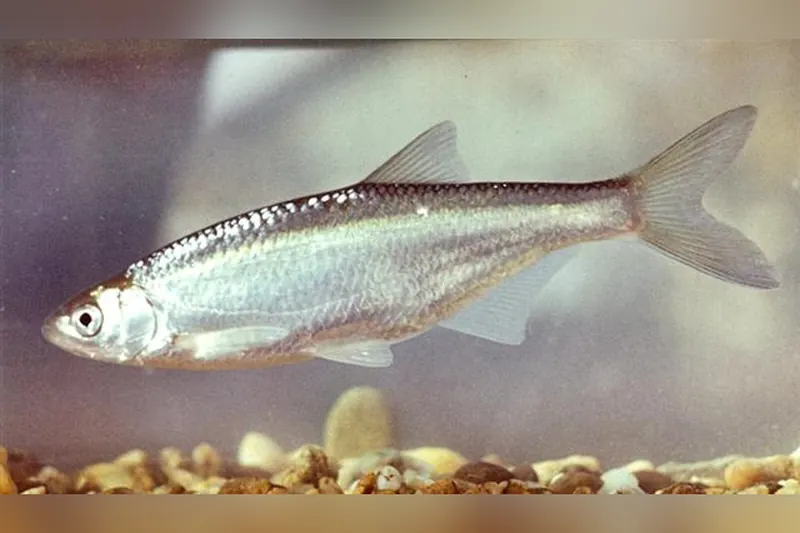
Common bleakA small, shiny silver surface fish living in large shoals, important prey for predatory fish and a popular bait fish.
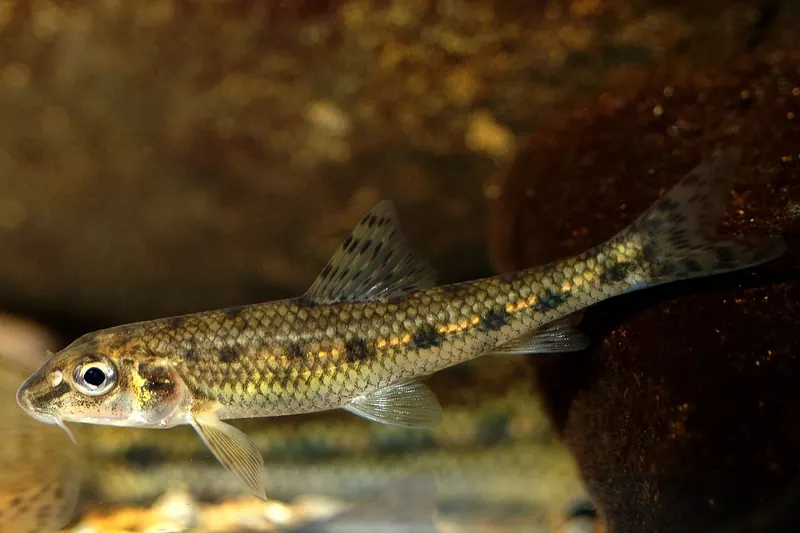
GudgeonA small, sociable bottom fish with two barbels that searches sand and gravel for food and is often used as a bait fish.
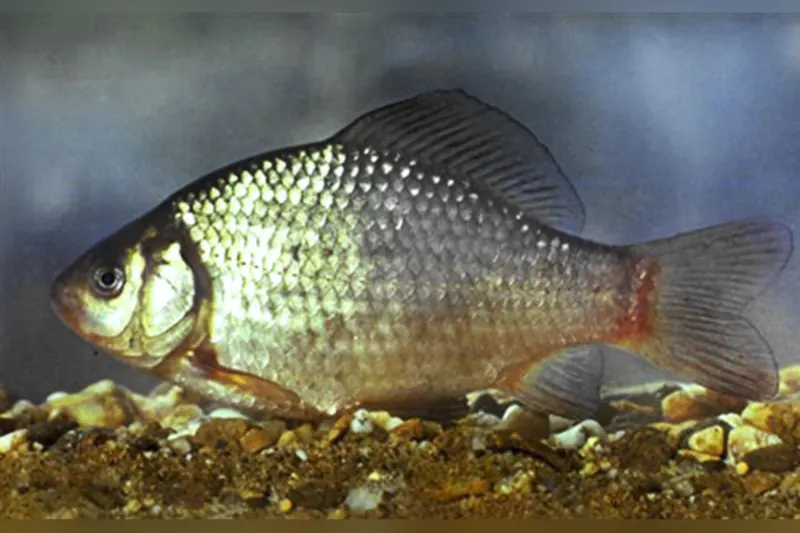
Crucian carpA deep-bodied relative of the carp without barbels that survives even in oxygen-poor ponds and is highly threatened in Germany.
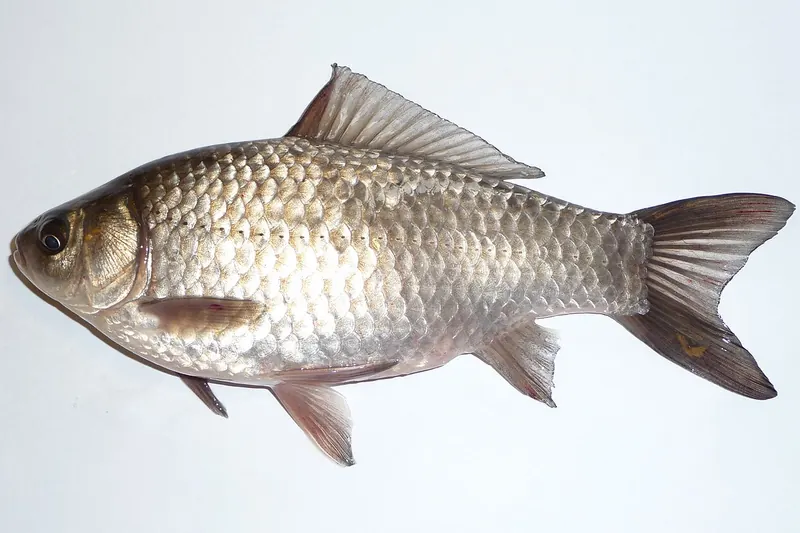
Prussian carpA silvery carp-like fish without barbels, also called silver crucian carp, which is spreading strongly and displacing the native crucian carp.
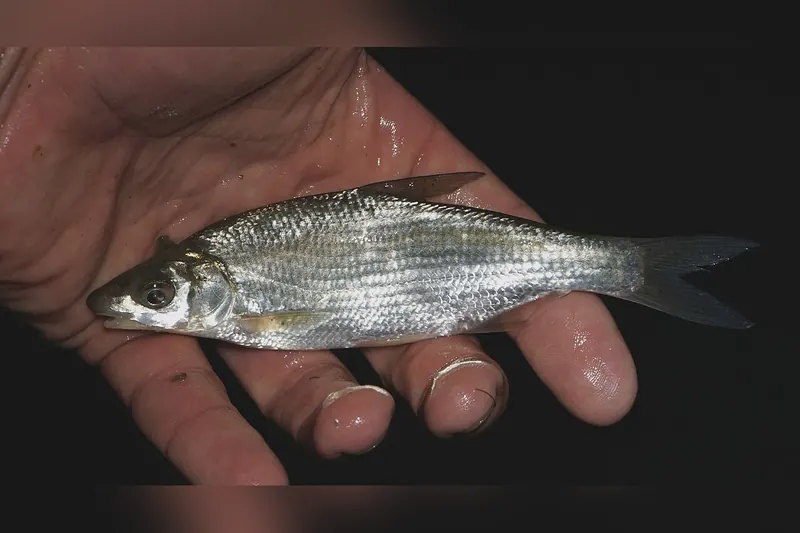
Vimba breamA slim shoaling fish of the lower reaches of large rivers with a black, nose-like snout tip, hence the German nickname Rußnase (soot nose); highly threatened in Germany.
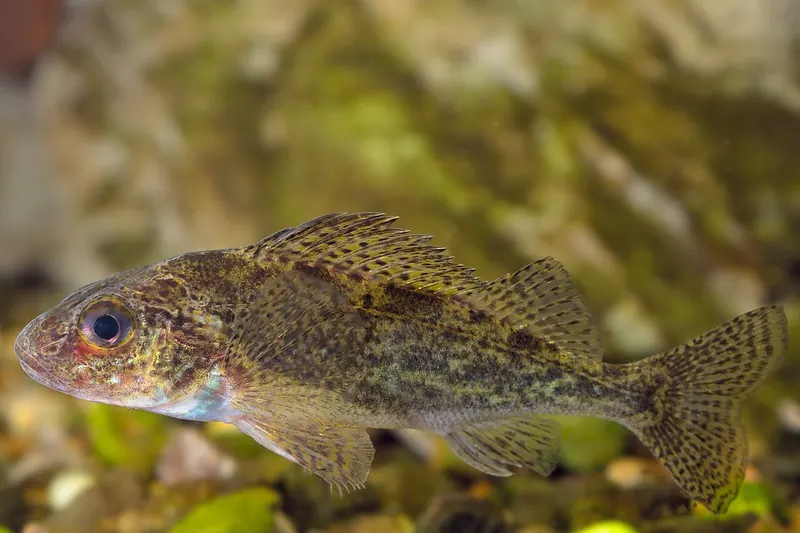
RuffeA small, spiny perch with an undivided dorsal fin that lives in groups near the bottom and is often caught as bycatch when fishing for coarse fish.
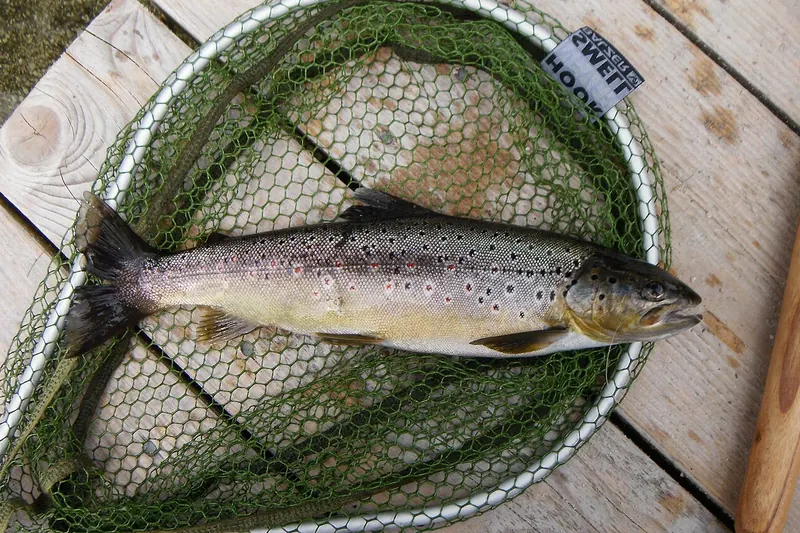
Lake trout (brown trout)A large-growing form of the brown trout in deep, oxygen-rich lakes that runs up the tributaries to spawn.
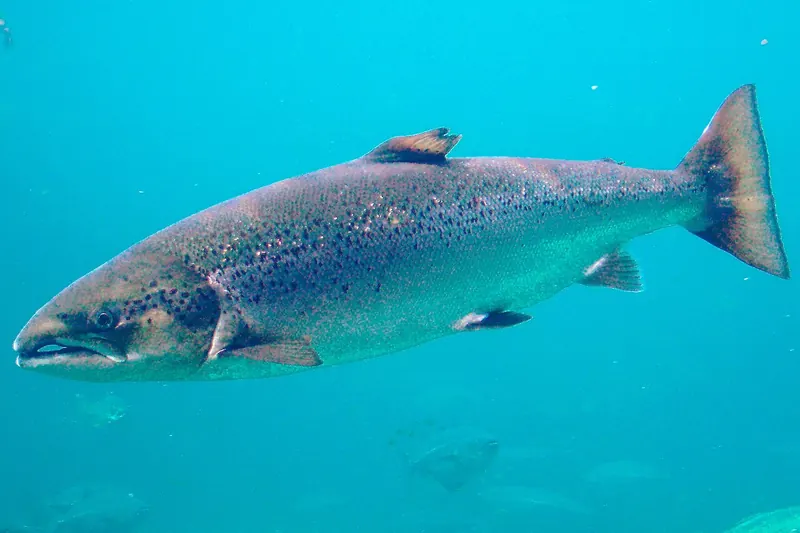
Atlantic salmonA migratory fish that grows up at sea and travels far up rivers to spawn; critically endangered in Germany and the target of large reintroduction projects.
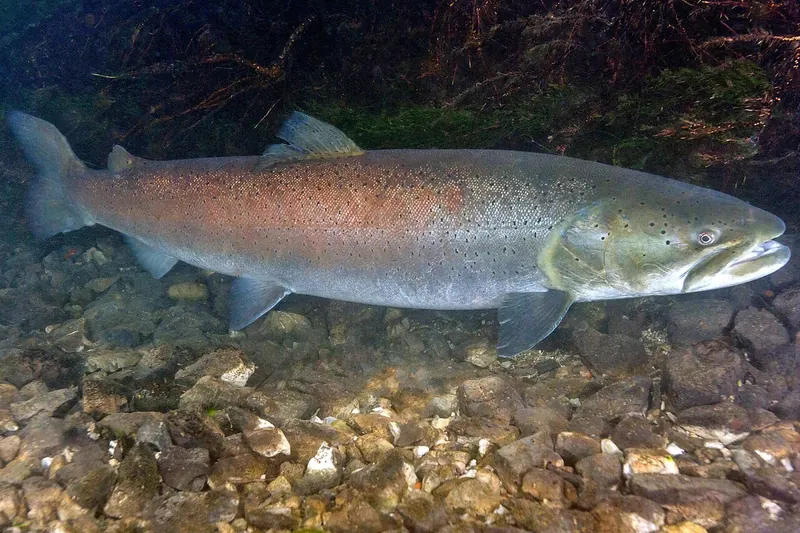
Huchen (Danube salmon)The Danube salmon: the largest salmonid in Central Europe, endangered and a rare trophy fish for anglers, the fish of a thousand casts.
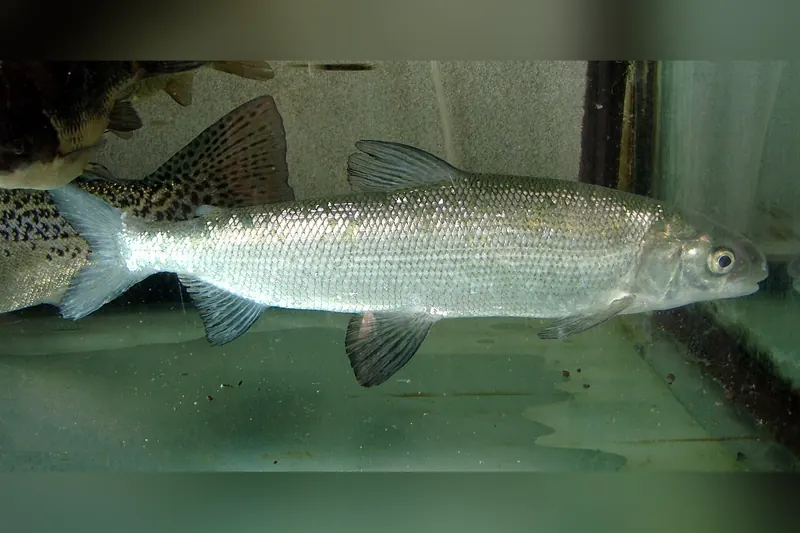
European whitefishCollective name for silvery salmonids of the genus Coregonus, called Renke, Felchen, Reinanke or Schnäpel in different German regions, which live in deep, clear lakes and are caught with a Hegene rig.
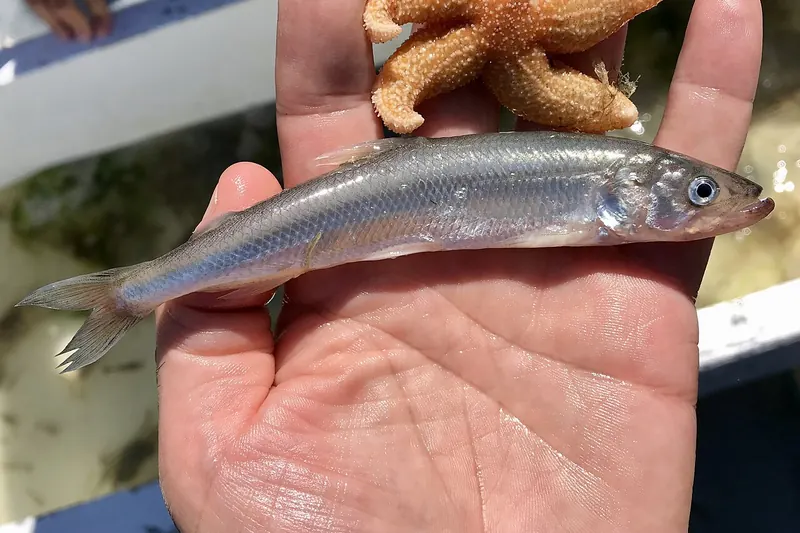
European smeltA small, silvery shoaling fish that migrates into the lower reaches of rivers to spawn, smells of cucumber and is a fried speciality in northern Germany.
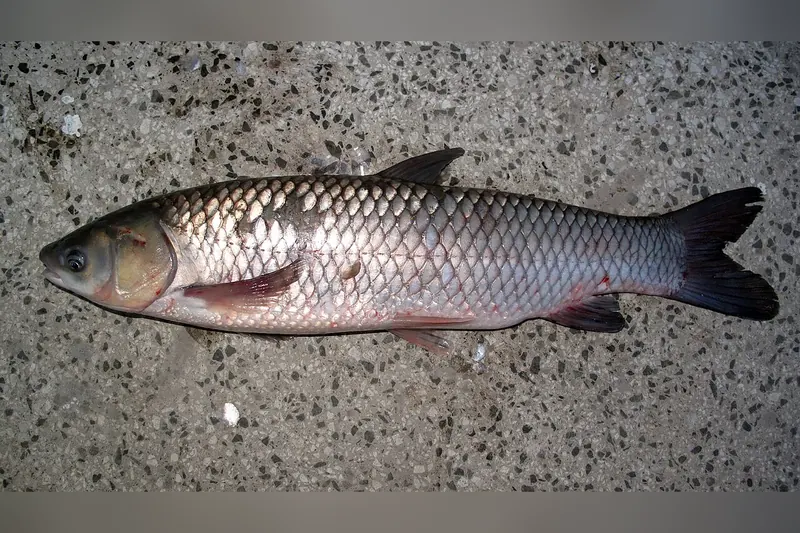
Grass carpA large plant-eating fish from China that was stocked to control water plants and is a hard-fighting target fish for anglers.
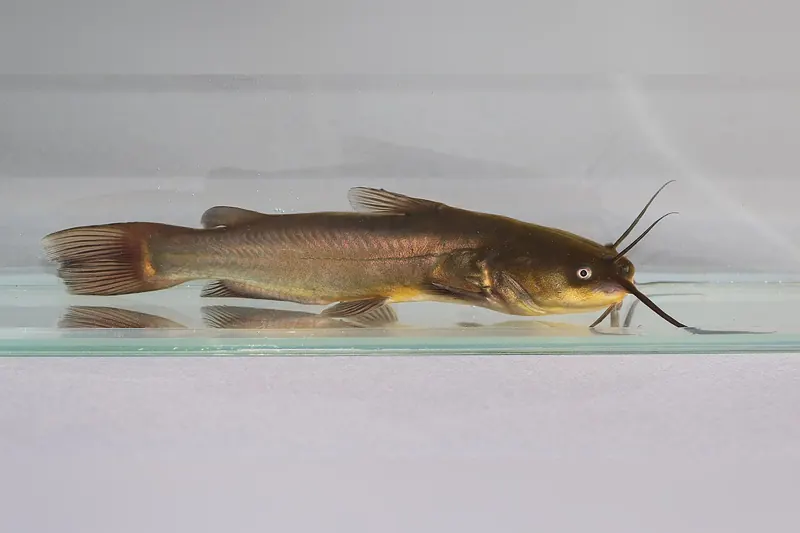
Black bullheadA small, nocturnal North American catfish with eight dark barbels that was introduced to Europe and is considered invasive.
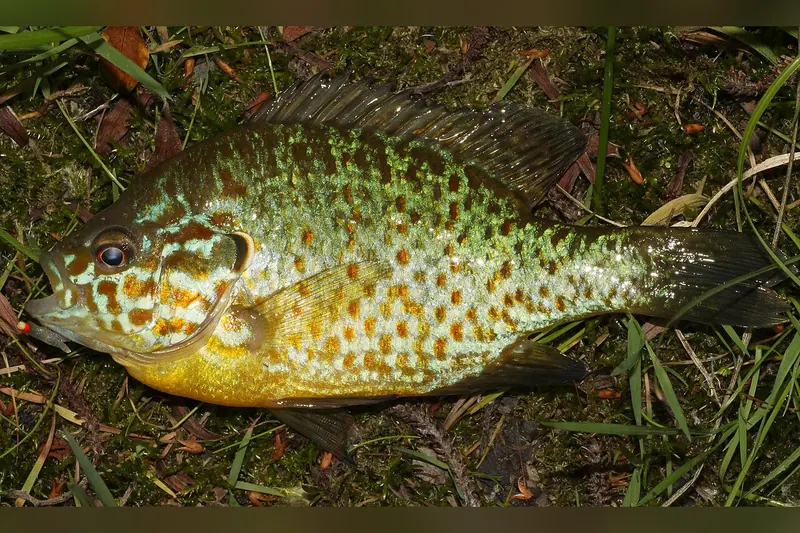
PumpkinseedA colourful little North American sunfish with a black, orange-rimmed ear flap that is established in Europe and considered invasive.
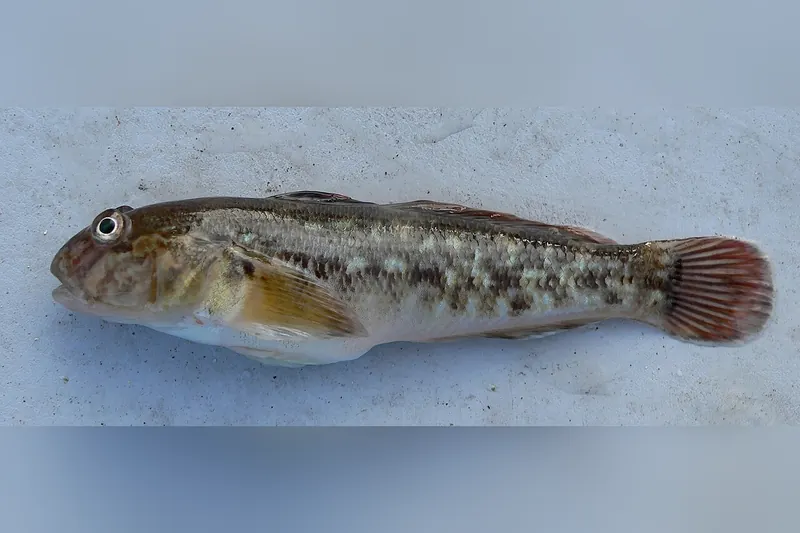
Round gobyAn introduced goby from the Black Sea region that has spread massively in the Rhine, Danube, Elbe and along the Baltic coast and is often the first fish on the bait.
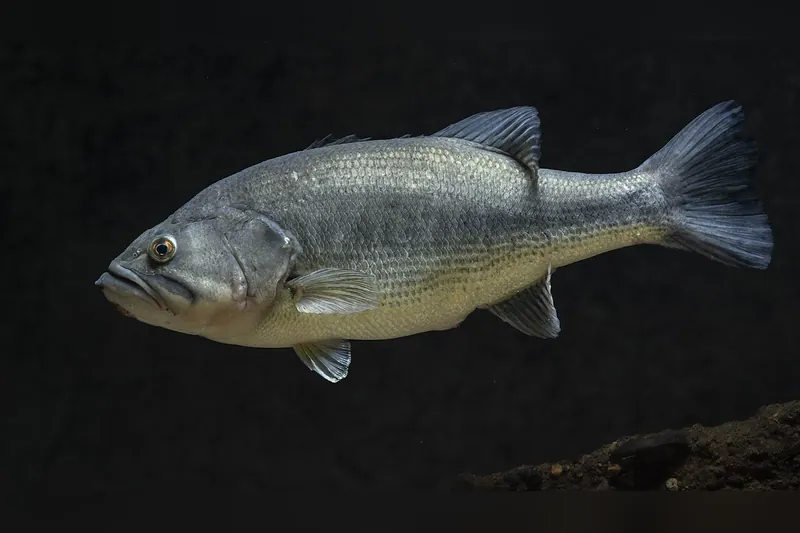
Largemouth bassOne of the most popular game fish in the United States: a heavy-bodied sunfish with a huge mouth that ambushes prey from weeds, wood and docks and often jumps when hooked.
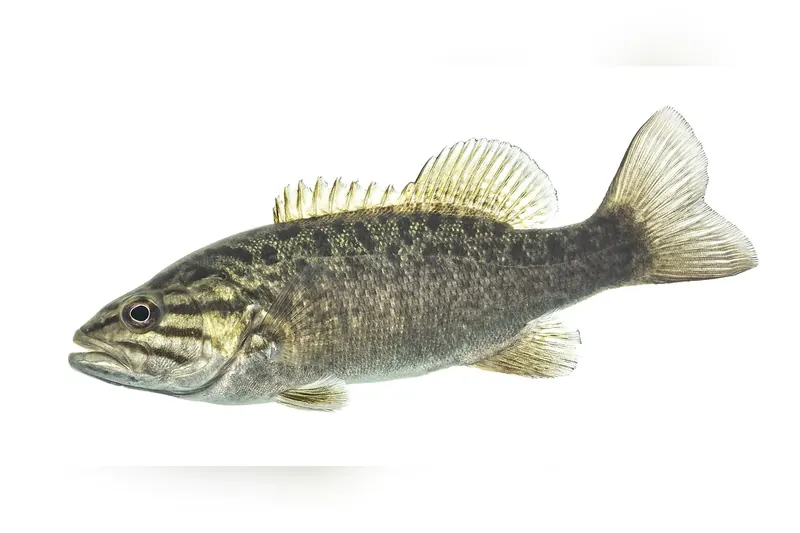
Smallmouth bassA hard-fighting bass of clear, cool rivers and rocky lakes, also called smallie or bronzeback: bronze colored with dark vertical bars.
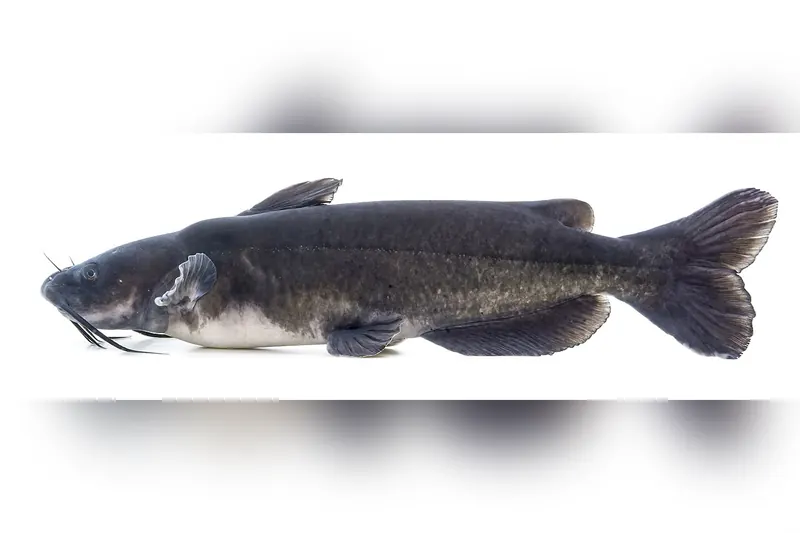
Channel catfishNorth America's most abundant catfish: a sleek catfish with eight barbels and a deeply forked tail that finds its food by smell and taste.
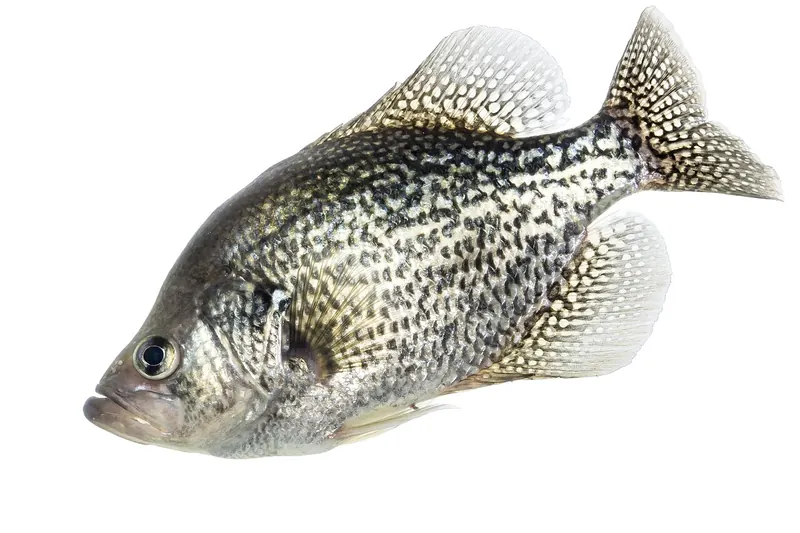
CrappieA popular schooling panfish with a deep, flat body and a big mouth; the black crappie is silvery with black blotches and likes sunken timber and docks.
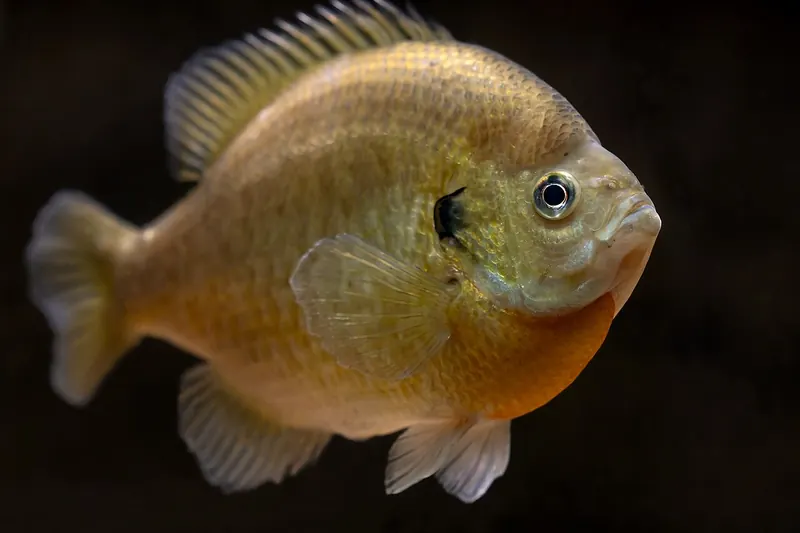
BluegillThe classic first fish for young U.S. anglers: a small, deep-bodied sunfish with a bluish chin, a solid black ear flap and often an orange breast.
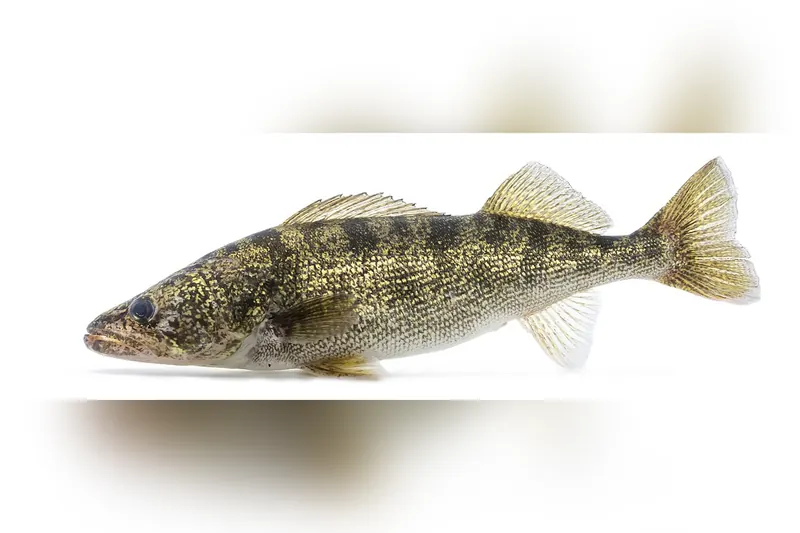
WalleyeThe North American cousin of the European zander: a golden olive predator with big, glassy eyes that feeds mostly at dawn, dusk and night.
Sea fish
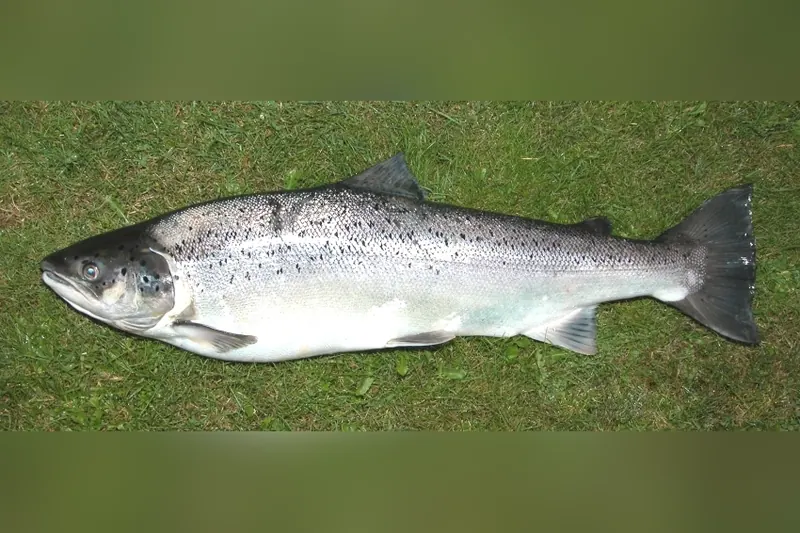
Sea troutThe silver, migratory form of the trout, which feeds at sea and runs up rivers to spawn; a sought-after fish on the Baltic coast and in its long inlets (Förden).
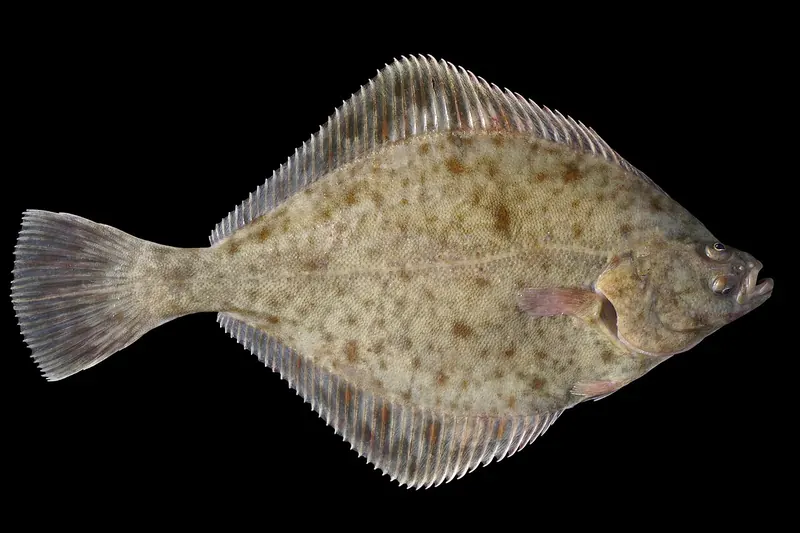
European flounderA flatfish of coasts and estuaries that loves brackish water, travels far up rivers and is a classic for surf casting.
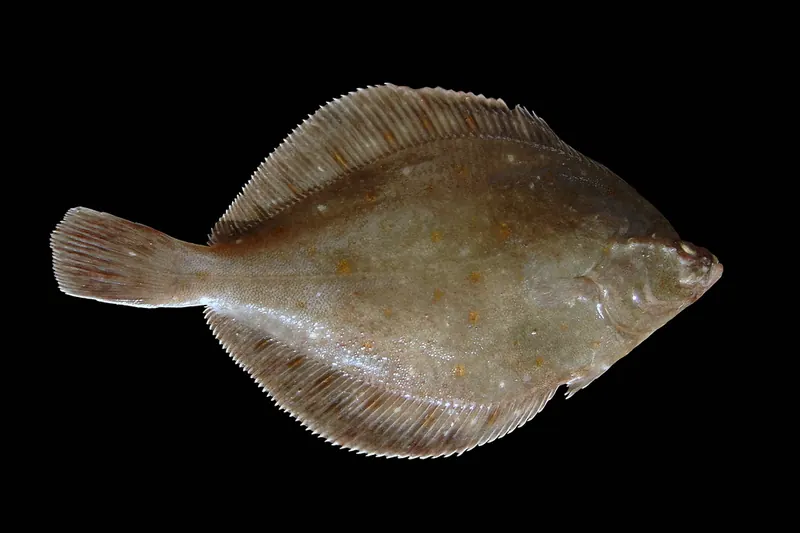
European plaiceEurope's most important flatfish, also called Goldbutt in German, recognisable by its orange-red spots and a sought-after food fish.
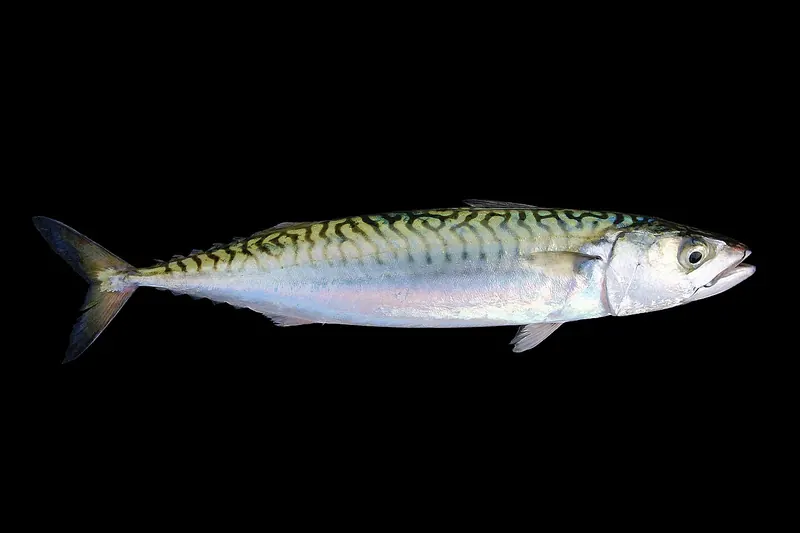
Atlantic mackerelA fast shoaling fish with green-blue wavy stripes that moves to the coasts in summer and snaps at anything that shines.
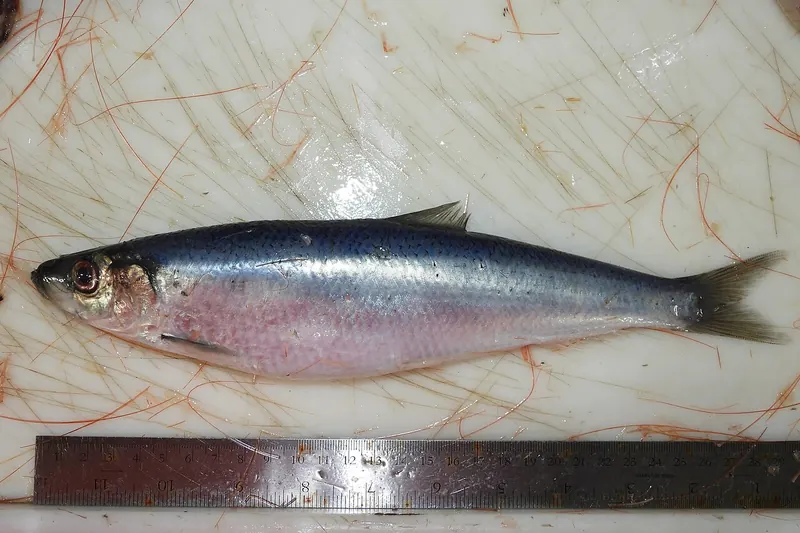
Atlantic herringOne of the most common fish in the world: a silver shoaling fish that moves into the inlets and harbours of the Baltic Sea in spring.
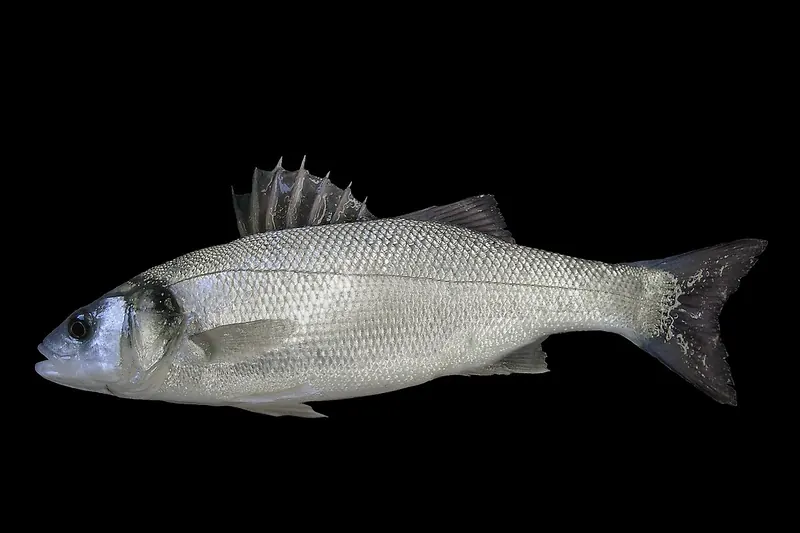
European sea bassA silvery coastal predator that hunts right into the surf and into estuaries in summer; still rare on the German coast, but increasing.
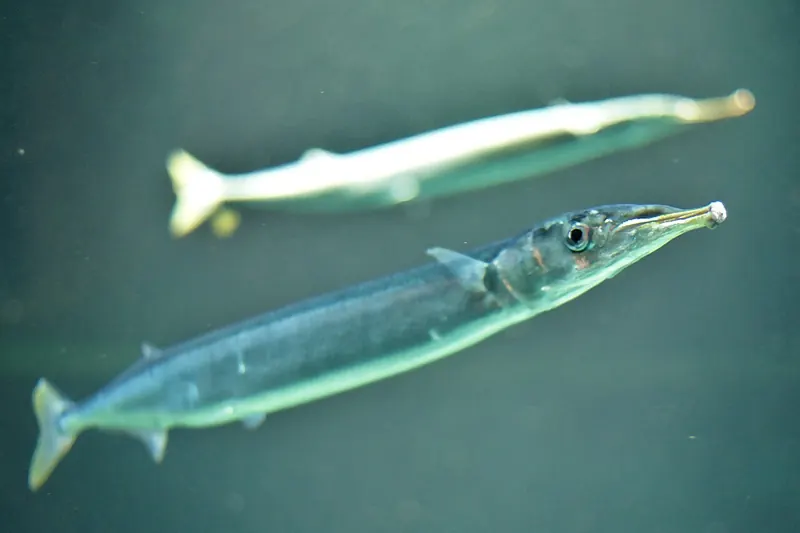
GarfishA slender silver arrow with a long, toothed beak that moves to the coasts to spawn in spring and is known for its green bones.
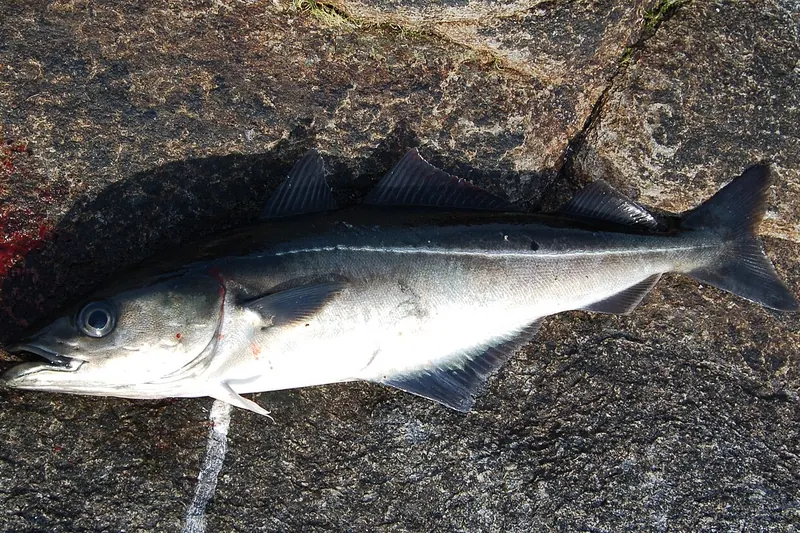
Saithe (coalfish)A powerful member of the cod family with an almost black back, sold in Germany as Seelachs and a target species for sea anglers, especially in Norway.
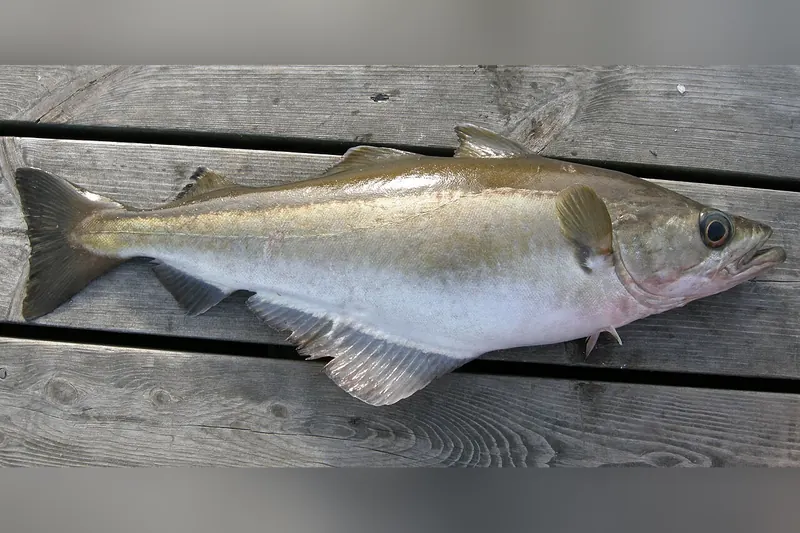
PollackA close relative of the saithe with a protruding lower jaw and a curved lateral line; lives around rocks, reefs and wrecks and is extremely rare in German waters.
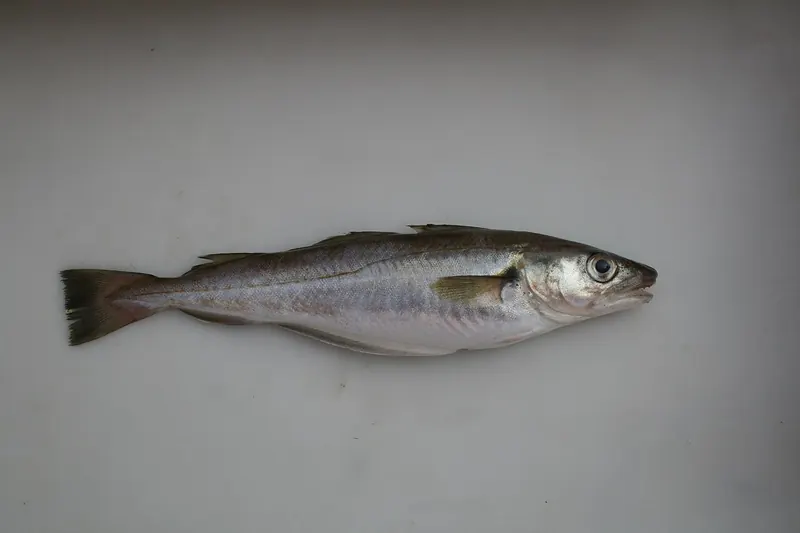
WhitingA small, slender member of the cod family with a protruding upper jaw, very common in the North Sea and western Baltic Sea and a popular food fish.
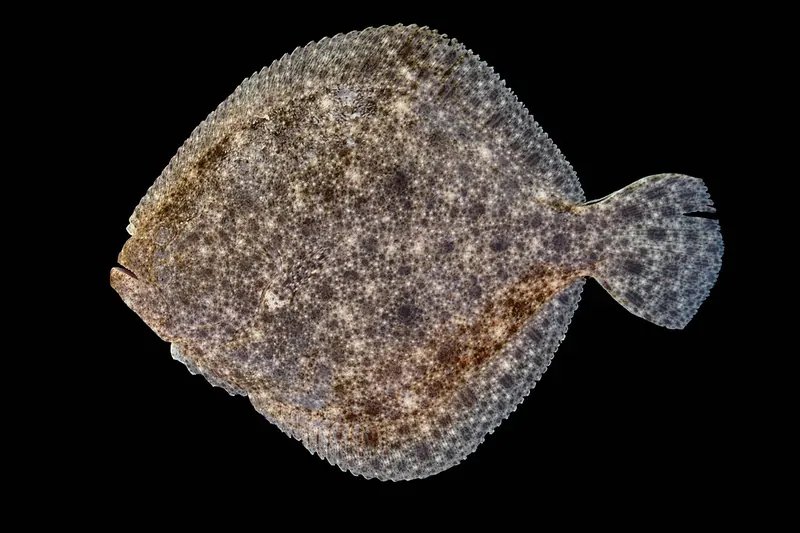
TurbotAn almost circular flatfish with both eyes on the left side and stone-like bony knobs; a highly esteemed food fish.
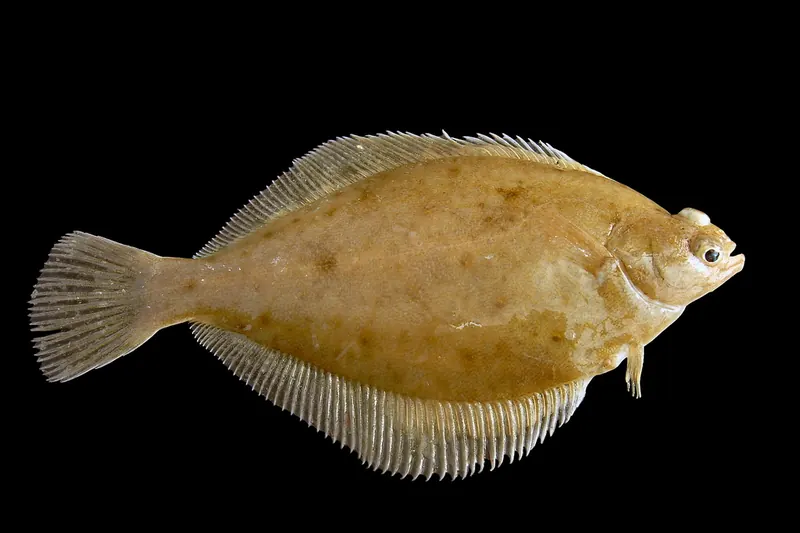
Common dabA small, common North Sea flatfish with a semicircular curve in its lateral line that is easy to catch from the shore.
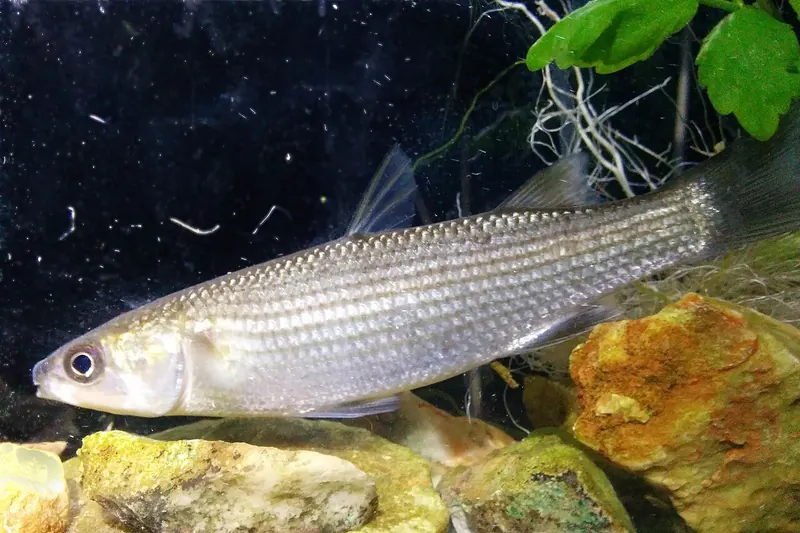
Thicklip grey mulletA silvery grey shoaling fish with a thick, warty upper lip that grazes on algae; shy, tenacious when hooked and a challenge for fine tackle.
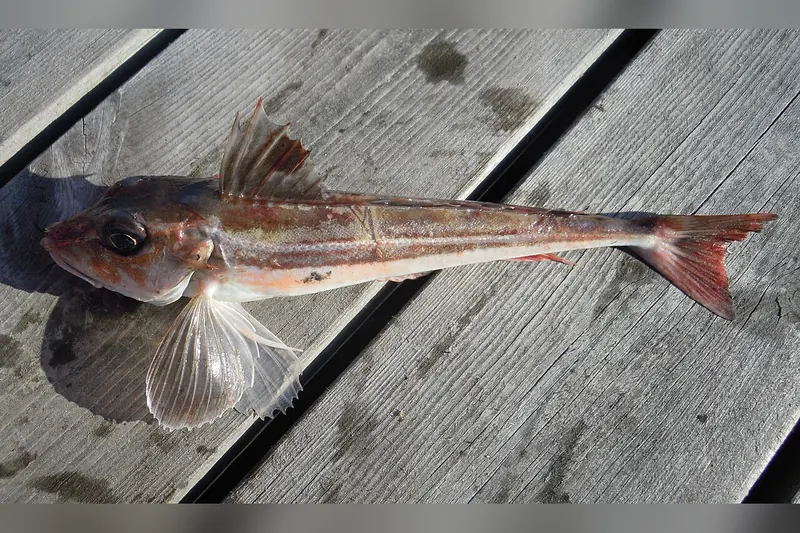
Grey gurnardA bottom-dwelling fish with a large, armoured head and wing-like pectoral fins that makes grunting sounds with its swim bladder.
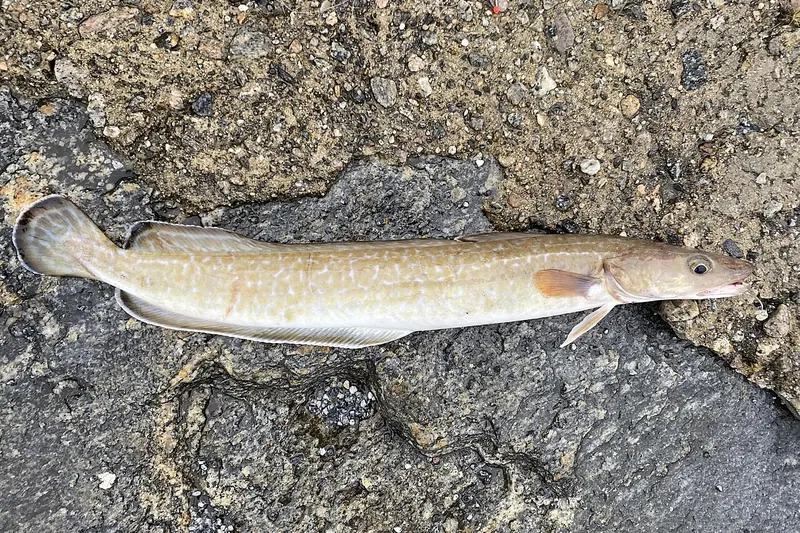
Common lingOne of the largest members of the cod order: a long, marbled predator with a chin barbel, caught mainly by boat anglers in Norway over rocky ground.
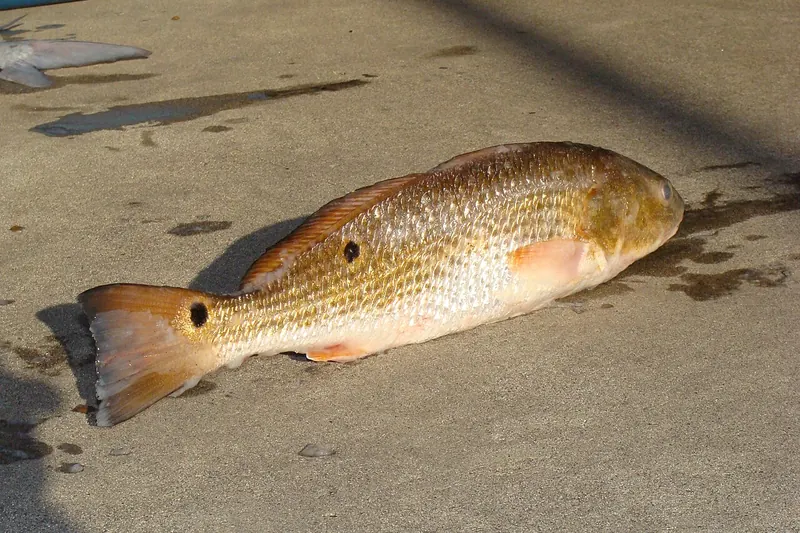
Red drumA powerful drum of the Atlantic and Gulf coasts, also called redfish or channel bass: copper red with a black eyespot at the tail base, hunting shallow grass flats and the surf.
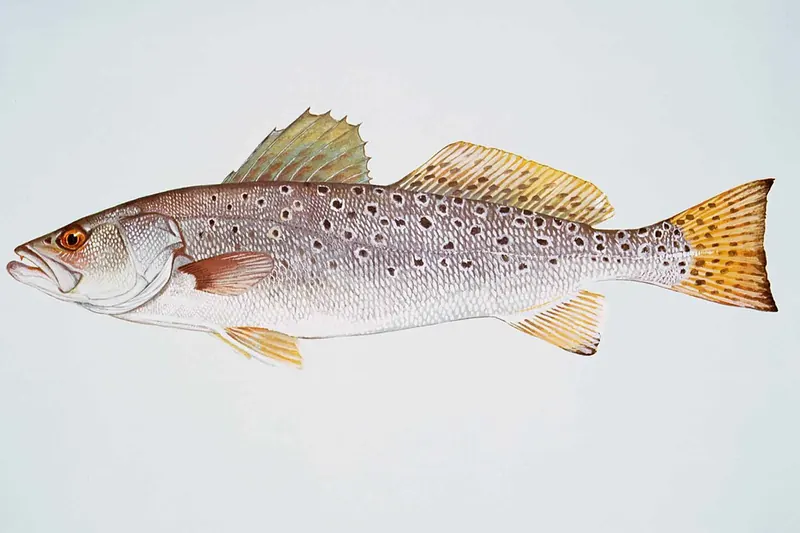
Spotted seatroutA favorite inshore fish of the Gulf and the U.S. East Coast, also called speckled trout: not a trout but a drum, with round black spots and sharp canine teeth.
No species in this selection.
Know more?
Additions, photos of your catches or a mistake in the text: write to us and we will gladly credit you as a helper.
Send a tip